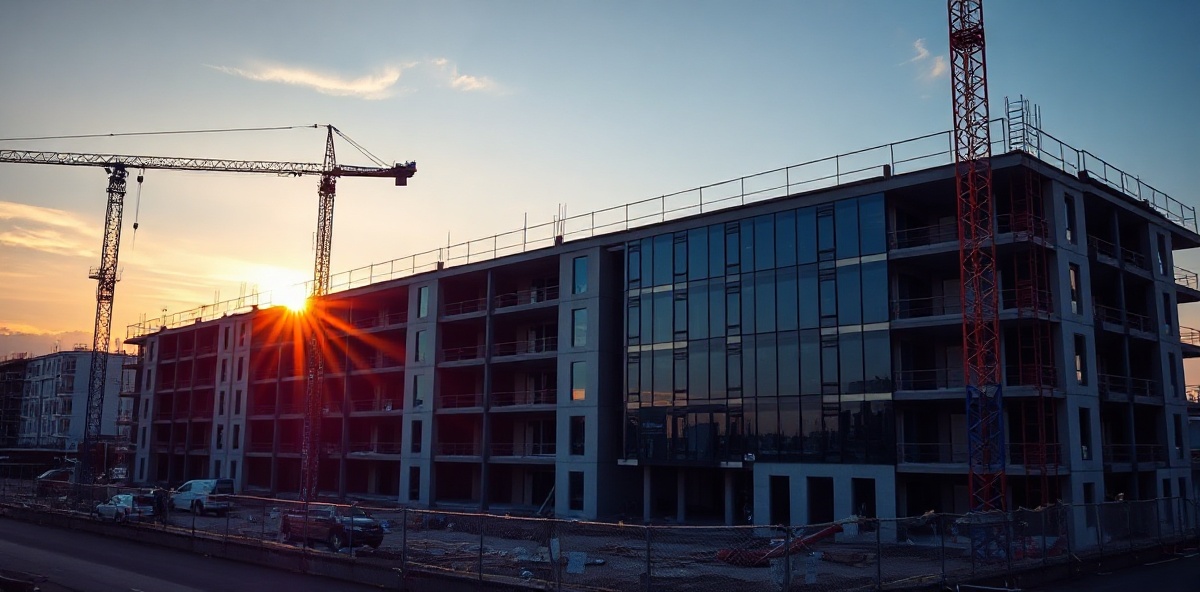
The real estate market in 2026 is undergoing significant transformations. Whether you’re a buyer, seller, investor, or property manager, understanding current trends is essential for making informed decisions. Let’s explore what’s driving the market today.
1. Sustainability & Eco-Friendly Properties
The Trend: Green building practices and energy-efficient homes are no longer niche—they’re mainstream. Properties with solar panels, high-efficiency HVAC systems, and sustainable materials command premium prices and attract environmentally conscious buyers.
Why It Matters: Energy costs are rising, and homeowners want to reduce their carbon footprint. Properties certified as LEED or built to green standards sell faster and retain value better.
Investor Takeaway: Properties that incorporate sustainability features have lower operating costs and appeal to a wider buyer pool—making them a smart long-term investment.
2. Smart Home Technology Integration
The Trend: Buyers and renters expect homes with integrated smart systems—security, lighting, climate control, and entertainment all manageable from a smartphone.
Market Impact: Properties with professionally installed smart home systems sell 5-10% faster than those without. Renters are willing to pay premium rates for connected homes.
Action Item: If you’re updating a property, prioritize smart locks, programmable thermostats, and security systems. These upgrades offer excellent ROI and tenant satisfaction.
3. Remote Work Flexibility Reshaping Location Preferences
The Shift: The hybrid work model has decentralized the job market. Buyers are no longer locked into expensive urban centers—they’re moving to suburban and rural areas where they get more space, lower costs, and quality of life improvements.
Regional Impact: Secondary markets and townships are experiencing unprecedented demand. Properties with dedicated office spaces or flexibility for home offices are highly sought-after.
For Investors: This trend opens opportunities in emerging neighborhoods and smaller markets that were previously overlooked. Consider diversifying into these high-growth areas.
4. Mixed-Use & Adaptive Reuse Properties
The Trend: Properties blending residential, commercial, and community spaces are thriving. Adaptive reuse—converting old warehouses, factories, or retail spaces into residential or mixed-use developments—is gaining traction.
Market Value: Mixed-use properties generate multiple revenue streams and attract diverse tenants. They’re resilient to economic downturns because they don’t depend on a single market segment.
Commercial Opportunity: If you have older commercial or industrial properties, consider adaptive reuse projects. These often qualify for tax incentives and renovation grants.
5. Short-Term Rental & Alternative Accommodations
The Trend: Beyond traditional long-term leasing, properties are being positioned for short-term rentals, co-living arrangements, and remote work retreats.
Market Demand: The rise of digital nomads and flexible work arrangements has created demand for furnished, flexible-term rentals. Properties positioned this way generate higher yields than traditional long-term rentals.
Important Note: Ensure you comply with local zoning and rental regulations. Many municipalities have strict rules around short-term rentals—understanding these is crucial for compliance and avoiding fines.
6. The Rise of “Missing Middle” Housing
The Trend: There’s growing demand for mid-range properties—not luxury penthouses or starter homes, but quality, well-maintained properties in the $250K-$400K range that offer real value.
Why It’s Hot: This segment appeals to young families, first-time move-up buyers, and investors seeking stable rental income. It’s the “sweet spot” of the market right now.
Market Insight: Properties like the Countrywood Ranch Estate in Hanover Township—well-maintained homes with good bones, reasonable HOA fees, and family-friendly layouts—are exactly what today’s buyers are seeking.
7. Wellness Amenities & Health-Focused Design
The Trend: Post-pandemic, buyers prioritize health. Properties with fitness amenities, outdoor spaces, air filtration systems, and natural light command higher prices.
Residential Impact: Apartments and condos with dedicated fitness areas, yoga rooms, or premium outdoor spaces attract more qualified tenants and justify higher rents.
Design Consideration: Simple upgrades like improved ventilation, large windows, and access to green space significantly boost property appeal and value.
8. Rising Interest in Secondary Markets & Opportunity Zones
The Trend: Investors are increasingly looking beyond major metro areas. Secondary cities with strong job growth, lower property costs, and improving infrastructure are experiencing rapid appreciation.
Investment Strategy: Properties in up-and-coming neighborhoods often appreciate faster than established markets. Tax incentives for investing in Opportunity Zones can further enhance returns.
Due Diligence: Research local economic development initiatives, job growth, and infrastructure investments to identify high-potential secondary markets.
9. Accessibility & Universal Design
The Trend: An aging population and increased focus on inclusivity are driving demand for universally designed properties—homes accessible to people of all ages and abilities.
Market Advantage: Properties with features like grab bars, accessible entryways, zero-step entries, and open floor plans appeal to aging in place buyers and expand your potential tenant pool.
10. Community-Focused & Amenity-Rich Properties
The Trend: Buyers and renters increasingly value community. Properties in developments with active HOAs, community events, shared amenities, and strong neighborhood connections sell faster and retain tenants longer.
HOA Impact: Well-managed HOAs with reasonable fees and quality amenities significantly boost property values and tenant satisfaction—just like the Country Wood Estates community with its snow removal and landscaping services.
What This Means for You
For Buyers: Look for properties that align with these trends—energy-efficient, in growing communities, with room for remote work. Properties hitting multiple trend points offer better long-term value.
For Sellers & Landlords: Highlight features aligned with these trends. Energy efficiency, smart home technology, community amenities, and wellness features are powerful selling points.
For Investors: Diversify across these trends. A portfolio including sustainable properties, mixed-use developments, and secondary market opportunities spreads risk and maximizes returns.
For Property Managers: Use these insights to guide property improvements and marketing strategies. Tenants seeking properties with trending features will stay longer and pay premium rates.
The Bottom Line
The 2026 real estate market rewards properties that align with buyer and investor priorities: sustainability, technology, flexibility, community, and value. Whether you’re buying, selling, or investing, positioning your property to reflect these trends gives you a competitive advantage.
Ready to explore how these trends apply to your specific real estate goals? Contact iRosario Properti LLC today for a consultation. Our team specializes in identifying market opportunities and positioning properties for maximum value and tenant satisfaction.